 1 / 3
1 / 3
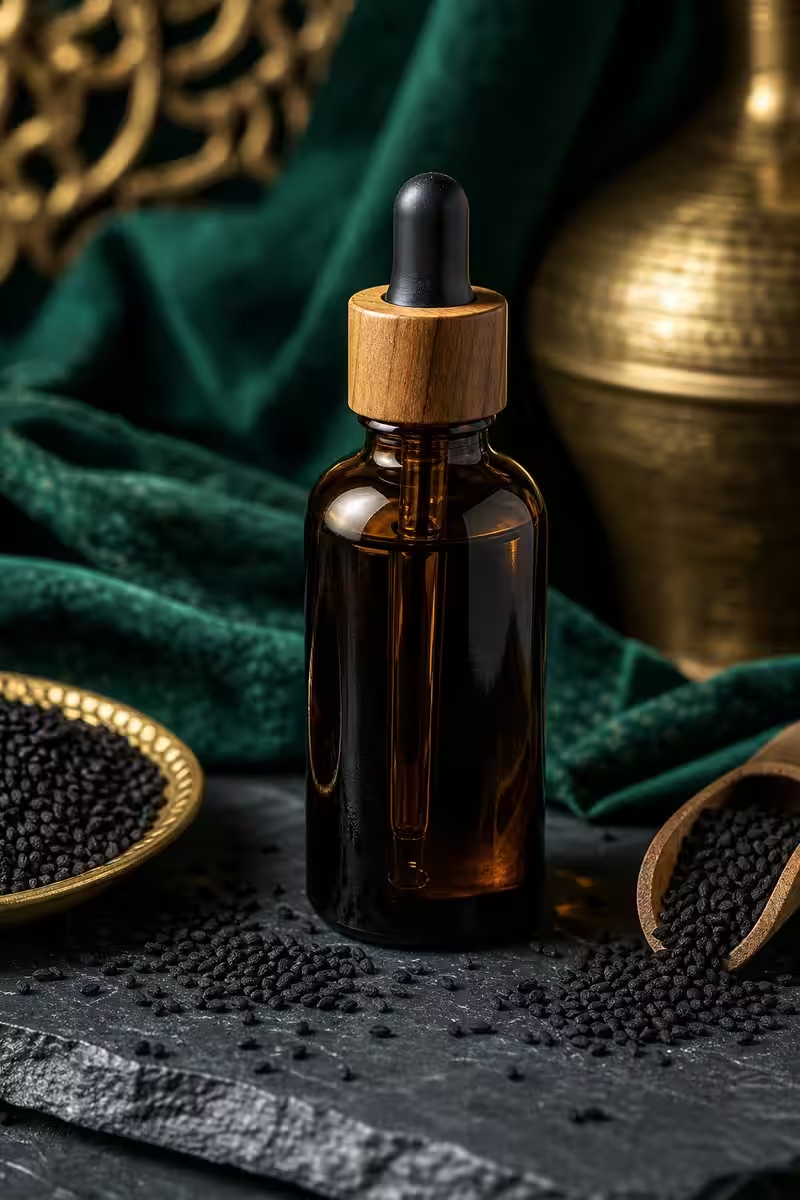
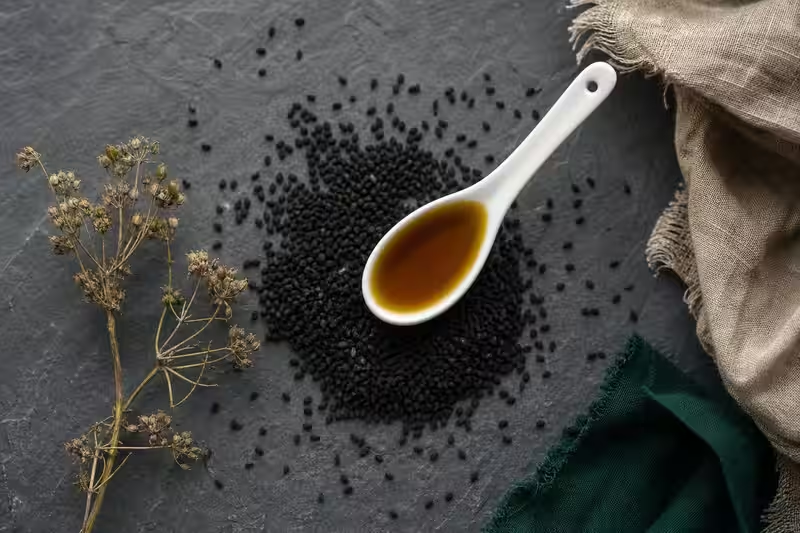
Black seed — habbah sawda, Nigella sativa — is the remedy the Prophet ﷺ told us to use, and cold-pressed black seed oil is the most convenient way to take it. The seeds are small, black and aromatic, with a peppery, slightly bitter taste and a smell that is unmistakable once you know it.
The hadith in Bukhari and Muslim is direct: in the black seed there is healing for every disease except death. Muslims have used it for fourteen centuries, and modern research has studied its main active compound, thymoquinone, extensively.
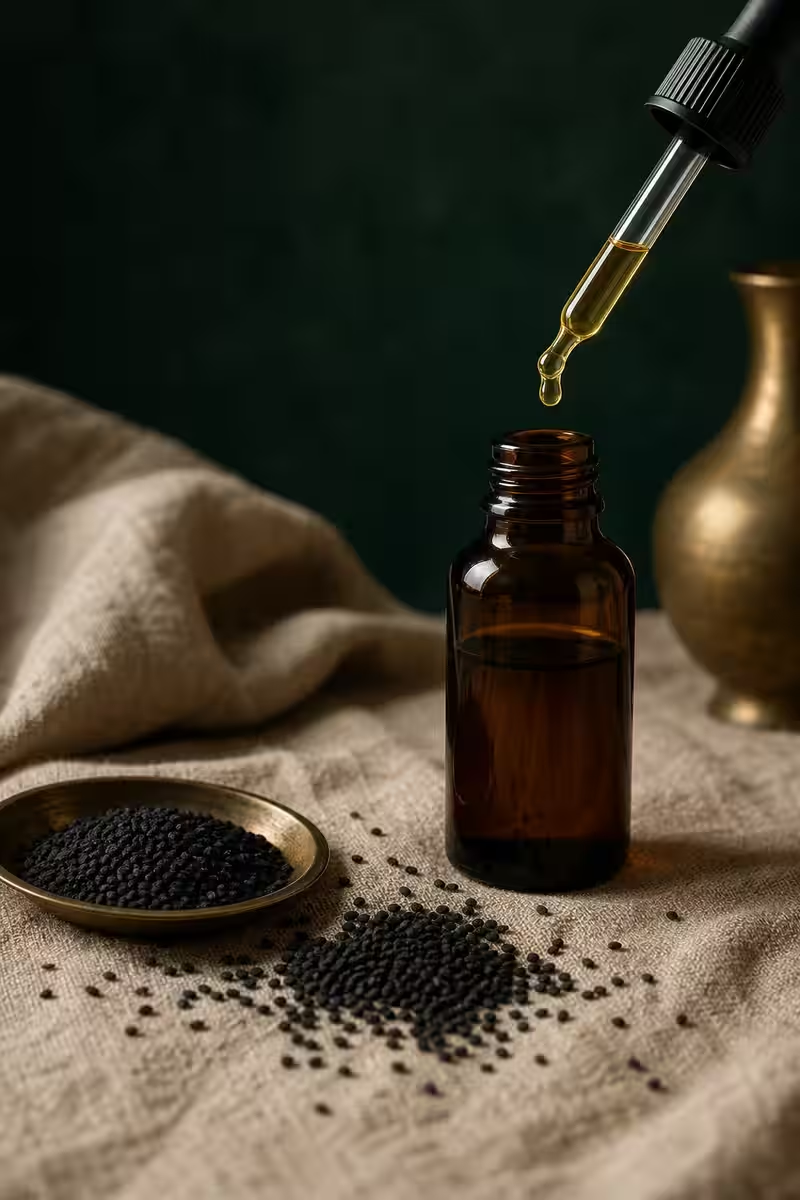
We supply cold-pressed, unfiltered oil in a dark glass bottle, which protects it from light. Take it by the teaspoon, stir it into honey or warm water, add it to food after cooking, or apply it externally to the skin, scalp and joints as people traditionally have.
Start with a small amount to see how your stomach tolerates it, and keep the bottle sealed away from heat. This listing is for one bottle.
Black seed oil is a traditional food supplement, not a medicine. It does not replace treatment prescribed by a doctor, and pregnant women and people on medication should ask a professional first.
Before requesting an order, read ordering, delivery and returns and our privacy policy.
Delivery availability, charges and estimated timing are confirmed by the team before your order is accepted.
Packaging
The team will confirm suitable packaging and delivery arrangements for your order.
Tracking
Your order-request reference is displayed after submission. The team will confirm dispatch and any available tracking details with you.
Black seed is one of the few remedies the Prophet ﷺ spoke about in general, unqualified terms, and it has never left Muslim households since. In North Africa it is sanouj, in the Levant and Gulf habbah sawda or habbat al-barakah, in South Asia kalonji, in English nigella or black cumin. The seed is tiny, matte black and three-sided; crush it and the smell is sharp, peppery and slightly medicinal.
What the tradition says
“Use this black seed. For in it is a cure for every disease except death.” (Sahih al-Bukhari and Sahih Muslim, from Abu Hurayrah)
In another wording: “In the black seed is healing for every disease, except the sam,” and the sam is death. The scholars have discussed the phrase “every disease” for centuries. The mainstream understanding is that it is general in wording but operates through means — that Allah has placed in the seed a benefit that reaches many conditions, that it works differently in different bodies and diseases, and that it is used along with other treatment, not instead of it. Imam Ibn Hajar and others note that such narrations describe a creation's capacity as Allah made it, not a promise that a single seed overrides every medical reality.
That is the honest position, and it is also the safest: use black seed because the Prophet ﷺ recommended it, use it consistently, and still go to the doctor. Faith and treatment are not competitors in Islam — the same Prophet ﷺ who recommended the black seed also said that Allah sent down a disease and sent down its cure, and told people to seek treatment.
What it contains
The seed's most studied compound is thymoquinone, along with thymohydroquinone, dithymoquinone, essential oils, fixed oils, protein, fibre and minerals. Cold pressing keeps more of the volatile content than heat extraction, which is why the traditional method matters: heated or solvent-extracted oil loses aroma and some of its active constituents. Dark glass matters for the same reason — light degrades the oil.
How people take it
By the spoon. The classic dose in traditional practice is half to one teaspoon once or twice daily, taken on its own or after food if it upsets an empty stomach. The taste is strong and lingering; most people follow it with water, honey or a date.
With honey. Mixing black seed oil — or finely ground seeds — into raw honey is the most widespread traditional combination in the Muslim world, taken by the spoonful in the morning. Honey makes the bitterness manageable and adds its own well-known benefits.
In warm water or milk. A teaspoon stirred into warm (not boiling) water with lemon, or into warm milk before bed. Boiling destroys volatile compounds, so let the drink cool slightly first.
On food. Drizzled over salads, hummus, labneh, soups and stews after cooking; stirred into yoghurt; sprinkled as seeds on bread before baking. Cooking with the whole seeds is gentler than heating the oil.
Whole seeds. Many people prefer to grind the seeds fresh and take a quarter to half a teaspoon, because freshly ground seed retains more aroma than oil that has been sitting. Chew them well or take them with honey.
Externally. Massaged into the scalp, into aching joints, onto dry or irritated skin, and rubbed on the chest and back. It is commonly warmed slightly and combined with olive oil for massage. Always patch-test first — some skins react.
Inhalation and steam. A few drops in hot water for steam inhalation is a widespread household practice for congestion. Do not put oil directly into the nose or ears, and do not inhale steam over a pot so hot it can scald you.
Building a routine that lasts
Traditional remedies fail mostly because people take them enthusiastically for four days and forget. Choose one method you can keep: a teaspoon with honey every morning, or a spoon stirred into your evening milk. Keep the bottle where you will see it. Give it weeks, not days, and keep a simple note of how you feel — sleep, digestion, energy, skin — because that is the only honest way to judge whether something suits you.
Quality: what to look for
- Cold-pressed, stated on the label. Avoid “expeller pressed at high temperature” or unspecified extraction.
- Dark glass — amber, green or opaque. Clear plastic or clear glass lets light in.
- Unfiltered or lightly filtered: some sediment is normal and is a good sign.
- Smell and taste: pungent, peppery, slightly bitter. Oil that tastes flat or of nothing has been refined, heated or is old.
- Origin and date: a bottling or harvest date, not just a best-before.
- No blends unless clearly stated. Cheap products are frequently diluted with vegetable oil.
Storage
Keep the bottle tightly closed, upright, in a cool dark cupboard. Heat, light and air are what turn the oil rancid. After opening, refrigeration extends its life considerably; the oil may become slightly cloudy or thicker when cold, which is normal and reverses at room temperature. Use it within a few months of opening for the best flavour and aroma. If it develops a sour, paint-like or distinctly unpleasant smell, it has oxidised — stop using it.
Safety and cautions
- Pregnancy. Culinary amounts in food are normal, but concentrated doses are generally avoided in pregnancy because of traditional concerns about uterine stimulation. Speak to your midwife or doctor before taking it as a supplement.
- Medication interactions. Black seed may affect blood sugar, blood pressure and how the liver processes some drugs. If you take medication for diabetes, hypertension, or any drug with a narrow therapeutic range, ask your doctor or pharmacist.
- Surgery. Because of possible effects on bleeding and blood sugar, stop concentrated use about two weeks before a planned operation and tell your surgical team what you take.
- Stomach upset. Some people get nausea or reflux on an empty stomach — take it with food and reduce the dose.
- Skin reactions. Patch-test on the inner forearm before applying it widely; contact dermatitis occurs in a minority of people.
- Children. Small culinary amounts are common in many cultures. Do not give concentrated supplement doses to young children without professional advice.
- Never swallow essential oil. Black seed essential oil is far more concentrated than the fixed (carrier) oil sold here and is not meant to be taken by the spoonful.
Choosing a dose that you will actually keep
Start low. Half a teaspoon once a day with food for the first week tells you how your stomach and your palate respond. If that is comfortable, move to half a teaspoon twice daily, or one teaspoon once daily — which is where most traditional practice settles. There is no benefit in forcing down large amounts: the oil is strong, high doses are more likely to cause nausea or reflux, and consistency over months beats intensity over days.
Take it at the same point in your day every time so that it becomes automatic. Morning with honey works for most people; if it makes you drowsy or settles your stomach better at night, move it to the evening. If the taste is the barrier, mix it into honey, stir it into warm milk, or take it followed immediately by a date — which is what many people in the Gulf do.
What research has looked at, stated carefully
Nigella sativa is one of the more studied traditional remedies, and thymoquinone has been examined in laboratory and some clinical settings for its antioxidant and anti-inflammatory behaviour. That body of work is genuinely interesting. It is also preliminary for most conditions, and it does not amount to proof that black seed oil treats any particular disease in people. We mention this because you will see extraordinary claims made about this product online, and you deserve a seller who does not repeat them. Take black seed because the Prophet ﷺ recommended it and because it is a good food; keep your medical treatment; and report anything unusual to your doctor.
Black seed and ruqyah
People often combine black seed with ruqyah practice — taking it daily, massaging it onto the chest or the area of discomfort, and drinking ruqyah water alongside. That is a perfectly reasonable combination and there is no contradiction between seeking a cure through a means Allah created and seeking it through His words. What is not acceptable is replacing the Qur'an with products, or replacing products with the Qur'an when a body genuinely needs treatment. Use both, and use medicine too.
Frequently asked questions
Oil or seeds — which is better? Oil is more convenient and more concentrated in the fixed oils; freshly ground seeds retain more aroma. Many people keep both.
How long until I notice anything? Honest answer: it varies, and for many people the benefit is subtle and gradual. Give a consistent routine several weeks before judging.
Can I put it in my nose or ears? No. Do not put oils into the nose or ears.
Can I cook with it? Better to add it after cooking, or use whole seeds in baking. High heat destroys the volatile compounds.
Is it safe every day? In culinary to moderate supplement amounts, most healthy adults tolerate it well. If you are pregnant, on medication, or have a chronic condition, ask a professional.
Why is there sediment? Unfiltered cold-pressed oil naturally settles sediment. Shake gently and it is fine to consume.
A final word
The beauty of this hadith is that it points a believer towards the created world. Allah put cures in plants, in seeds, in honey, in water — and He told us through His Messenger ﷺ to look for them and use them. That is an invitation to both faith and effort: trust Him, take the means, and do not be superstitious about either.
May Allah make it a means of healing for you, put barakah in your body and your home, and grant you afiyah — wellbeing in this life and the next. Amin.